Author: anandnikam

  • Funding Opportunities for NGOs: 4 Open Calls (Nov 2026)

    Funding Opportunities for NGOs: 4 Open Calls (Nov 2026)

    Good funding opportunities for NGOs and impact startups are easy to miss, and deadlines move fast. I checked each call below on the funder’s own website on 17 November 2026. All four were open or about to open, with deadlines still ahead.

    A quick note before you read on. Each funder sets its own rules and dates, and these can change. So please confirm every detail on the official page before you apply.

    1. ICMR SMALL / ANVESHAN Extramural Grants 2027

    The Indian Council of Medical Research (ICMR) funds investigator-led health research for India. Projects can cover discovery, development (such as devices or diagnostics), delivery and descriptive studies. A follow-on track builds on leads from earlier ICMR grants.

    • Who can apply: Regular employees of recognised Indian institutions can be the lead investigator. This includes medical and research institutes, universities, colleges, R&D labs, government bodies and NGOs with proof of recognition (for example, a DSIR certificate). Contract faculty can lead only under set conditions. ICMR’s own scientists cannot be the lead. At least one co-investigator must come from the same institute.
    • What you get: A budget of at least ₹10 lakh and under ₹2 crore, for up to three years.
    • Key dates: Submissions open 20 November 2026. The deadline is 20 January 2027, 5:00 pm IST. Review runs from February to April 2027, and results are expected around August 2027 (tentative).
    • How to apply: Apply online on the ICMR ePMS portal (epms.icmr.org.in). Read the official call document first.

    2. BIRAC Femtech Call

    The Biotechnology Industry Research Assistance Council (BIRAC) has an open call for women-led startups in women’s health. Focus areas include maternal care, menopause, diagnostics, women’s cancers, digital health and mental health.

    • Who can apply: Startups with an Indian woman founder, co-founder or CXO. The company must be an Indian entity that meets the DPIIT startup definition. Indian citizens must hold at least 51% of the shares.
    • What you get: The guidelines mention investment opportunities plus market and technology links. The amount is not published — check the official page.
    • Key dates: The deadline is 23 November 2026, so time is short. The closing time is not published — check the official page.
    • How to apply: Read the guidelines, then apply through the official BIRAC call page.

    3. IKI Small Grants: 8th Call (Nature-based Solutions)

    Germany’s International Climate Initiative (IKI) funds local projects that use nature-based solutions. Projects must address climate mitigation, adaptation, forest carbon sinks or biodiversity. Multi-country projects are not eligible.

    • Who can apply: Local organisations registered in ODA-eligible countries, and India is on that OECD list. You need average yearly revenue of EUR 60,000 to 500,000 over the last three years, plus at least three years of work. Not-for-profits qualify, as do private firms with non-profit project goals. Government bodies, public universities and consortia cannot apply.
    • What you get: EUR 60,000 to 200,000 in total, and not more than your average yearly revenue. Projects run 12 to 24 months and start in Q2 2028 or later.
    • Key dates: The call opened on 15 November 2026. Eligibility registration closes on 8 January 2027 (time not published). Results of that stage come by 2 February 2027. Invited groups then submit full proposals by 16 March 2027.
    • How to apply: Register on the IKI online portal (oap.iki-small-grants.de), in English. See the official funding page and the funding information PDF.

    4. Nexa Lighthouse: Climate and Health

    Grand Challenges Canada and AVPN, with several foundation partners, back proven innovations that help health systems in Asia-Pacific cope with climate risks. These include mosquito-borne disease, extreme heat and poor air quality. There are two tracks: early warning systems and climate-ready patient care.

    • Who can apply: Incorporated organisations from listed Asia-Pacific countries. India is listed, and it is also a priority country. Your innovation must be at least community-linked. Individuals, UN agencies and past Lighthouse grantees cannot apply.
    • What you get: About USD 250,000 to 2,000,000 per innovation, mostly as grants, for up to 24 months.
    • Key dates: The deadline is 8 December 2026, 2:00 pm ET (12:30 am IST on 9 December). Screening runs from December 2026 to March 2027. Invited applicants then send full proposals in March and April 2027.
    • How to apply: Apply only through the Grand Challenges Canada Fluxx portal (gcc.fluxx.io). Read the official call page and the RFP.

    How to choose the right call

    Not all funding opportunities for NGOs suit every team. Start with the hard rules. If a call needs incorporation, a woman founder or a set revenue band, check that first. Then match the call to your stage, because a pilot idea and a proven model need different funders.

    Next, count back from the deadline. Leave at least a week for documents, sign-offs and portal hiccups. Also think about reporting. A large grant often brings heavy reporting, so plan your team’s time.

    Finally, apply where your evidence is strongest. Funding opportunities for NGOs will keep coming, so a focused, honest application beats five rushed ones.

    If you work on CSR proposals in India, my ebook CSR Funding in India: The Essentials covers the basics as further reading. You can also browse more posts on my blog.

    Disclaimer: Eligibility, amounts and deadlines are set by each funder and may change. Always confirm on the official page. This post is for information only and does not promise funding.

    Sources:
  • Sodium-Ion Battery Storage: What Jaipur’s Pilot Tests

    Sodium-Ion Battery Storage: What Jaipur’s Pilot Tests

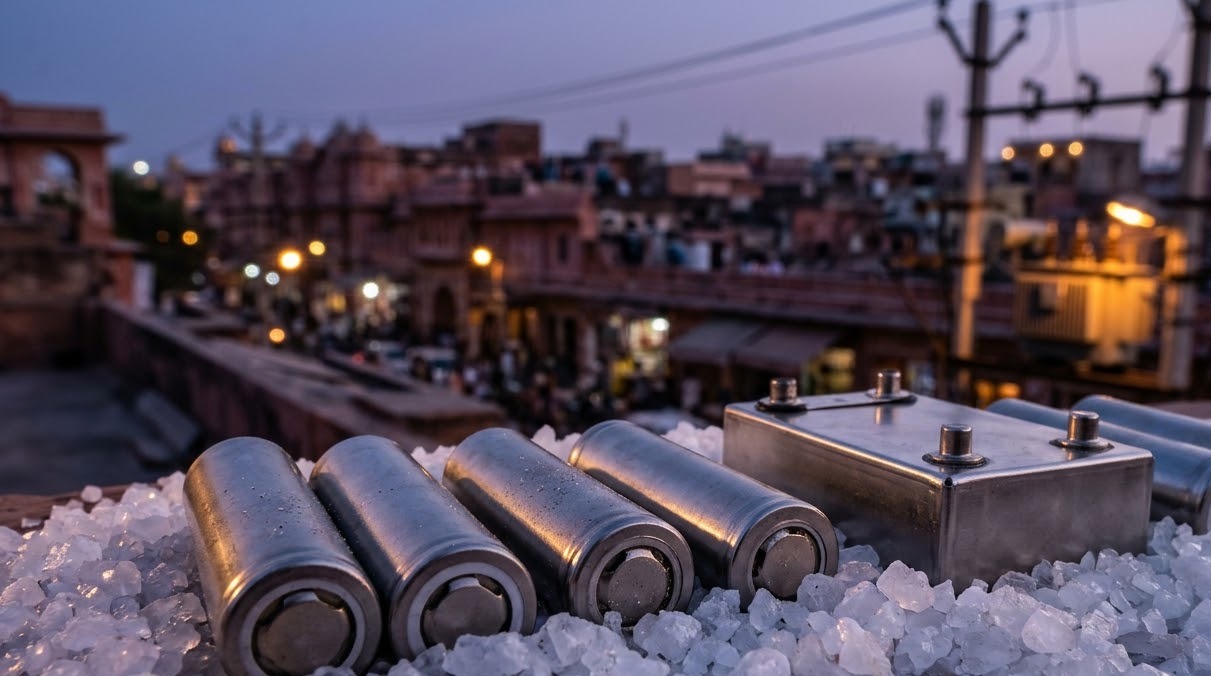
    Sodium-ion battery storage is about to get a real test on an Indian street. In late October 2026, Jaipur’s power distribution company agreed to pilot a sodium-ion battery right next to a local transformer. Here is what the project is, how it works and why it matters for our grid.

    What it is

    Jaipur Vidyut Vitran Nigam Ltd (JVVNL) signed an MoU with the Global Energy Alliance for People and Planet (GEAPP). The plan is a 250 kW / 250 kWh battery at K.L. Saini Stadium in Jaipur. GEAPP calls it the first sodium-ion system in India at the distribution-transformer level. After the MoU, the partners issued a tender at the Distribution Utility Meet 2026.

    It helps to be precise about the stage. Right now, this is an agreement and a tender, not a working plant. The partners have not yet named a supplier, a cost or a start date.

    Each partner has a clear role. JVVNL will provide the site, a project team and operating data. GEAPP will support system design and monitoring, and it will train JVVNL engineers. Both plan to share the findings with other distribution companies.

    How it works

    Most grid batteries today use lithium-ion cells. Sodium-ion cells follow the same basic idea, but sodium carries the charge instead of lithium. As the IEA explains, they need no lithium or graphite at all.

    In this pilot, the battery sits close to homes and shops. It can soak up spare power, for example from rooftop solar at midday. Later, it can release that power when demand peaks in the evening. At full output, a 250 kW / 250 kWh unit runs for about one hour.

    GEAPP lists three goals. First, cut the peak load on the transformer. Second, make better use of rooftop solar. Third, possibly delay costly network upgrades.

    Why sodium-ion battery storage matters for India

    India needs a lot of storage, and soon. The Central Electricity Authority’s National Electricity Plan put the need at 47.24 GW / 236.22 GWh of battery storage by 2031-32, as Energy-Storage.news reported. That is a steep climb in under a decade.

    Much of that storage will sit at large solar parks. However, stress often appears much closer to home. Rajasthan’s Energy Secretary Arti Dogra said the strain “shows first at the local transformer.” So a small battery at the right spot could ease a real bottleneck.

    Sodium-ion battery storage also offers a hedge on supply. The IEA notes that lithium prices sit about 70% below their 2022 peak. Yet they roughly doubled over the past year. A second chemistry gives utilities more choice when prices swing.

    Heat is another test. The pilot will check how the battery copes with a Rajasthan summer. According to the IEA, the latest sodium-ion cells can operate at up to 70 °C. They also keep about 90% of capacity at -40 °C.

    Limits and open questions

    First, there are no results yet. GEAPP says the pilot will compare cost, wear, lifetime value and safety with lithium-ion and with standard network upgrades. It does not assume either option will win.

    Second, energy density is lower. IEA figures put sodium-ion at up to about 175 Wh/kg, against up to 205 Wh/kg for LFP lithium-ion. Weight matters less for a fixed battery than for a car. Still, space and cost count.

    Third, scale is thin. In 2025, global sodium-ion output was under 1% of lithium-ion output, says the IEA. China also holds over 95% of planned 2030 capacity. So India could swap one import risk for another unless local making grows.

    Finally, the price case is unclear. The IEA says current lithium prices are not high enough for sodium-ion to beat LFP in most uses. That is exactly why a clear, public pilot is useful.

    Key takeaways

    • Jaipur’s discom plans a 250 kW / 250 kWh sodium-ion battery at a local transformer, with GEAPP support.
    • The project is at the tender stage, so no vendor, cost or start date is public yet.
    • It will test peak load relief, rooftop solar use and performance in Rajasthan’s heat.
    • Sodium-ion battery storage avoids lithium and graphite, but it has lower energy density and a young supply chain.
    • The real value will be honest, shared data that other discoms can use.

    You can find more notes on clean energy, waste and impact on my blog. To know more about my work, visit the about page.

    Sources:

  • Getting the environment right from day one: notes from Meghalaya

    Getting the environment right from day one: notes from Meghalaya

    Meghalaya industrial development is picking up speed, and the Northeast is industrialising quickly. So the cheapest moment to get its environmental framework right is now, before the smokestacks multiply.

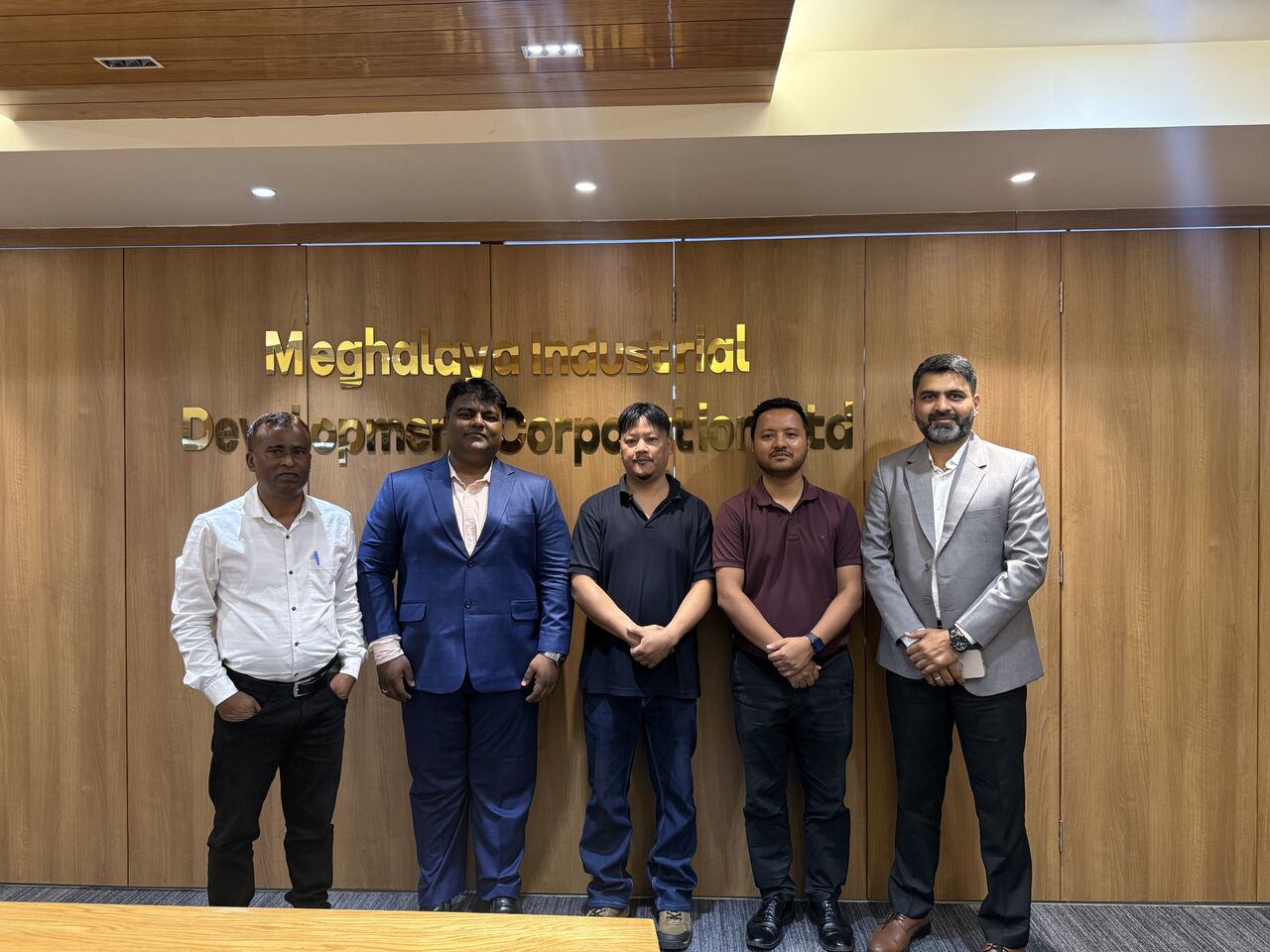
    In August, I sat down at the Meghalaya Industrial Development Corporation with Kerlang Malngiang, who facilitated the discussion. Syed Sameer and Sabed Bhuyan joined us. We talked about one question. How should a fast-growing industrial region manage waste and air pollution, so that growth does not cost people the air they breathe?

    What we discussed

    Most of our talk drew on Stree Sanman’s work with industrial units in Maharashtra’s MIDC areas. There, the problem is familiar. Boiler and furnace stacks release particulate matter (PM). Process and canteen waste is often burnt in the open. As a result, the air in many industrial estates regularly crosses safe limits.

    The units that improve fastest treat pollution where it starts. In other words, they do not wait to clean the air after it has spread.

    Why this matters for Meghalaya industrial development

    That lesson matters even more for Meghalaya and the wider Northeast, because its industrial hubs are still taking shape. Adding controls to a crowded estate later is slow and expensive. By contrast, designing them in from the beginning costs far less.

    Three ideas I would build in from day one

    • Control emissions at source. Filtering flue gas at the stack, with systems such as ECOFILT, stops most particulate matter before it reaches the surrounding air.
    • Treat waste on site. Open burning is a big hidden source of local PM. Smokeless, electrically heated incinerators such as INCECO let campuses and estates dispose of non-recyclable waste safely. That way, waste is not trucked away or burnt in the open.
    • Clean and measure the ambient air. Ambient purifiers such as eTree can sit at junctions, gates and loading areas. Combined with regular PM monitoring, they show whether the measures actually work.

    Why a framework, not a product

    No single machine fixes air quality. Instead, what works is a framework. It needs clear standards for new units and on-site waste treatment as the default. It also needs measurement that everyone can see, and a way to repeat the same model from one estate to the next.

    When partners agree on these pieces at the start, compliance becomes part of how an industrial area runs. It is no longer a cost added later.

    As Kerlang put it, building the right environmental framework from the start “is not optional”. I agree. For the Northeast, sustainable industrial development is not a slogan. It is the only kind of growth that will last.

    What comes next

    I am grateful to Kerlang Malngiang for an engaging and practical discussion. I look forward to working with partners across Meghalaya and the Northeast on solutions that work on the ground.

    Are you planning an industrial estate, a campus or a municipal project in the region? If you want to talk about waste or air quality, get in touch. You can also read more about Stree Sanman’s work.

    Originally shared on LinkedIn.

  • From LPG safety clinics to Stree Sanman: a photo journal, 2016–2020

    From LPG safety clinics to Stree Sanman: a photo journal, 2016–2020

    Before Stree Sanman, there were years on the ground. Recently, I went through my folders of event photos, sorted by year and month. This photo journal brings together the ones that tell the story best.

    2016–2017: Taking clean cooking fuel to households

    Most of these photos come from my years with Indian Oil (Indane) in North Karnataka. The work was hands-on, and it took many forms:

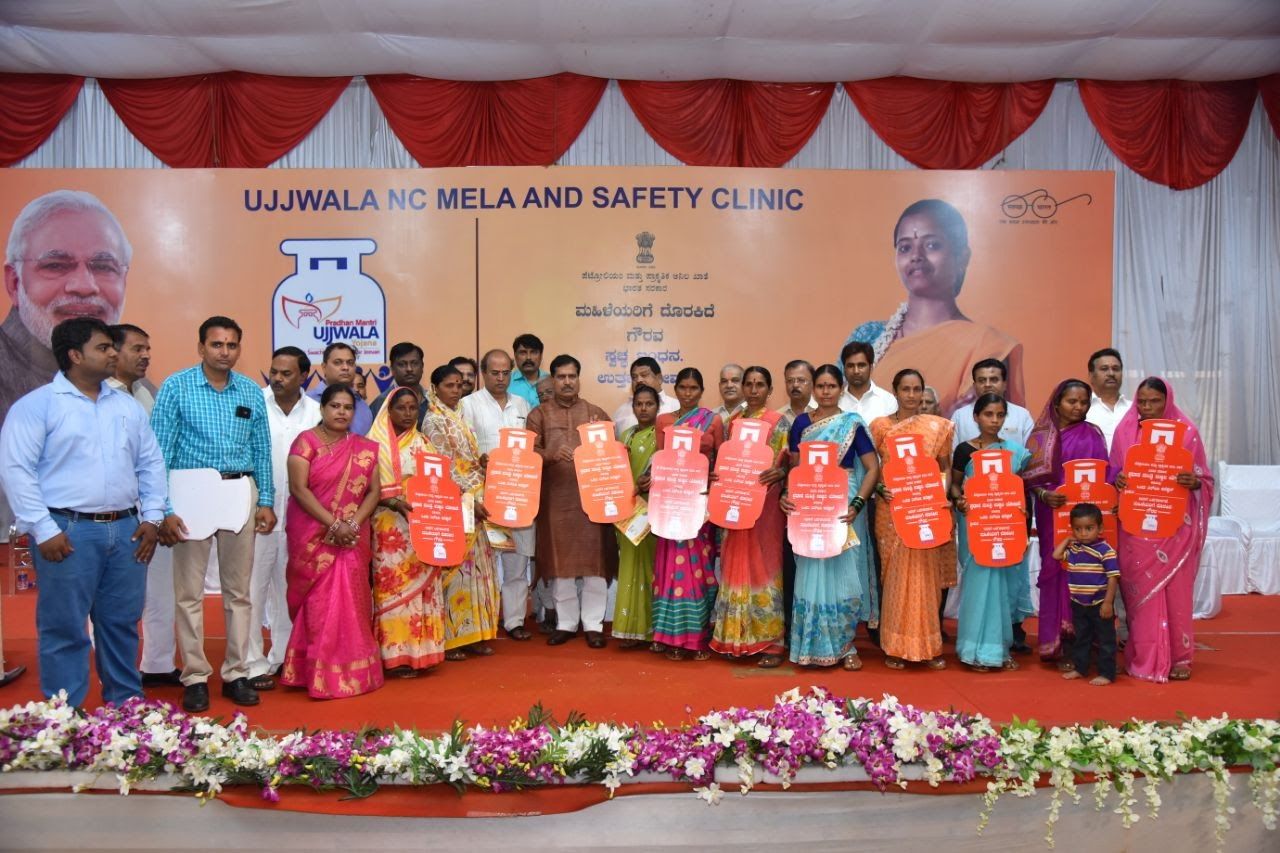
    • Connection melas, where families received their first gas connection. Many of them came under the Pradhan Mantri Ujjwala Yojana.
    • Safety clinics that showed people how to use a stove and cylinder safely.
    • Training for delivery staff, and meetings with distributors.
    • A fuel-conservation campaign in February 2017, with a rally, a rangoli and a public pledge.

    Each photo below carries a short caption with the month and year.

    2018: Out in the field

    In 2018, the work moved outdoors. Awareness vehicles were flagged off to reach more villages. We also made home visits to check installations and ran small training sessions.

    2019–2020: New stages

    By 2019 I was speaking at events and being recognised for the work. In March 2020 we marked Women’s Day as a team, as Stree Sanman was finding its feet.

    What ties this photo journal together is the same thing that drives Stree Sanman today: practical solutions that reach people where they live, done safely and with dignity. More photos from recent work will follow. Meanwhile, you can see them all on the Events page.

  • When supply chains falter, a girl’s education shouldn’t pay the price

    A push-button sanitary napkin vending machine for menstrual hygiene in schools
    Automatic vending machines in school washrooms remove the bottleneck of manual distribution.

    Recent reports of recurring sanitary napkin supply disruptions across Delhi government schools show how fragile menstrual hygiene in schools can be. Intermittent distribution directly puts classroom attendance and menstrual health at risk for lakhs of adolescent girls.

    Menstrual dignity is not a periodic perk. It is an essential right, and menstrual hygiene in schools is where that right is tested every month.

    Why menstrual hygiene in schools affects learning

    When a school washroom has no pads, a girl may leave class early or stay home for the day. Even a few missed days each month add up over a school year. So supply is not a side issue. It is a learning issue.

    Why stockouts keep happening

    When distribution relies entirely on manual, batch-based logistics, stockouts are almost inevitable. The answer is resilient on-campus infrastructure that guarantees round-the-clock availability, without stigma or delay.

    What resilient infrastructure looks like

    • Decentralised access. Automatic sanitary napkin vending machines installed directly in washrooms remove administrative bottlenecks and social hesitation.
    • Real-time visibility. Smart, IoT-enabled dispensers track usage and send refill alerts, so stockouts are prevented before they happen.
    • Closed-loop sanitation. Pairing automated dispensing with smokeless on-site incinerators ensures hygienic, eco-friendly disposal inside the premises.

    Questions for school leaders and CSR partners

    Before choosing any equipment, it helps to answer a few simple questions:

    • Who checks the stock, and how often?
    • What happens when stock runs low before the next delivery?
    • Can a girl get a pad without having to ask anyone?
    • How is used product disposed of on campus?
    • Who pays for refills after the first year?

    Clear answers to these questions matter more than any single machine. In fact, the best plans name a person, a budget and a backup for each one.

    Bridging this gap needs sustained collaboration between policymakers, institutions and CSR partners. When we secure menstrual hygiene infrastructure in our schools, we safeguard every girl’s right to learn with confidence and uninterrupted dignity. If you are planning such a programme, please get in touch.

    First shared on LinkedIn. Read the full perspective on Stree Sanman.

  • Ata Tari Mukhavata Kadhun Tak! – Lockdown Poem

    About this lockdown poem

    This Marathi lockdown poem was shared here in April 2020, during the first weeks of the COVID-19 lockdown. Its title, Ata Tari Mukhavata Kadhun Tak, roughly means “at least now, take off the mask”.

    In short, the poem asks us to drop the masks we wear, stop putting things off and make a fresh start. You can watch the video below, or open it on YouTube.

    The poem

    आता तरी मुखवटा काढून टाक

    अरे अजून भरपूर time आहे आरामात करू अस म्हणत म्हणत ह्या परिस्थितीत अडकल्याने झालास ना शॉक?

    कल करे सो आज कर म्हणत कर एक नवीन शुरुवात… आता तरी मुखवटा काढून टाक।।

    माझे इतके फ्रेंड्स आणि इतके followers त्यांना आता मारून बघ एक हाक।

    कोणी आले नाही तर होऊ नकोस शर्मसाद… फक्त आता तरी मुखवटा काढून टाक।।

    इतके दिवस mcd आणि kfc चे फोटोस Insta आणि Facebook वर टाकून खूप मिळवली दाद।

    खरी मज्जा घरच्याच जेवणाची असते एकदा आईच्या हातचे जेवण तर चाख… आता तरी मुखवटा काढून टाक।।

    I, me, myself म्हणाईचास ना? जेव्हा स्वतःची मुलगी अंतर जातीय लग्न करते तेव्हा म्हणतात मुलीने माझं कापलं नाक।

    आताच्या परिस्थितीत तीच मुलगी बापाच्या काळजीने विव्हळतेय कोणता समाज नाही देत साथ… आता तरी मुखवटा काढून टाक।।

    ह्या धर्मा मूळे हे झाले… नाही त्या जाती मूळे हे झाले… अरे नाही रे त्या देश प्रदेशामुळे हे झाले ह्यानेच राजकारण्यांचे चालते चाक।

    काय भाऊ कसा आहेस अशी किती नगरसेवक, आमदार की खासदारांनी आपुलकीची मारली साद… आता तरी मुखवटा काढून टाक।।

    आज एक निश्चय कर की माणसाला माणसासारखं बघीन…. आता जाती धर्माच्या बेड्या करून टाकीन खाक।

    माणसातल्या माणसाला बघू न देणाऱ्यांना देऊ एक चपराख… आता तरी मुखवटा काढून टाक।।

    चुकूनही हा आजार जर तुला झालाच तर कोणी उचलाईलाही येणार नाही तुझी राख।

    त्यामुळे घरीच थांबून देश कार्यात घे सहभाग… आता तरी मुखवटा काढून टक।।

    — आनंद निकम

    More writing

    Thank you for reading this lockdown poem. For more of my writing, from field notes to essays on clean technology, visit the blog.