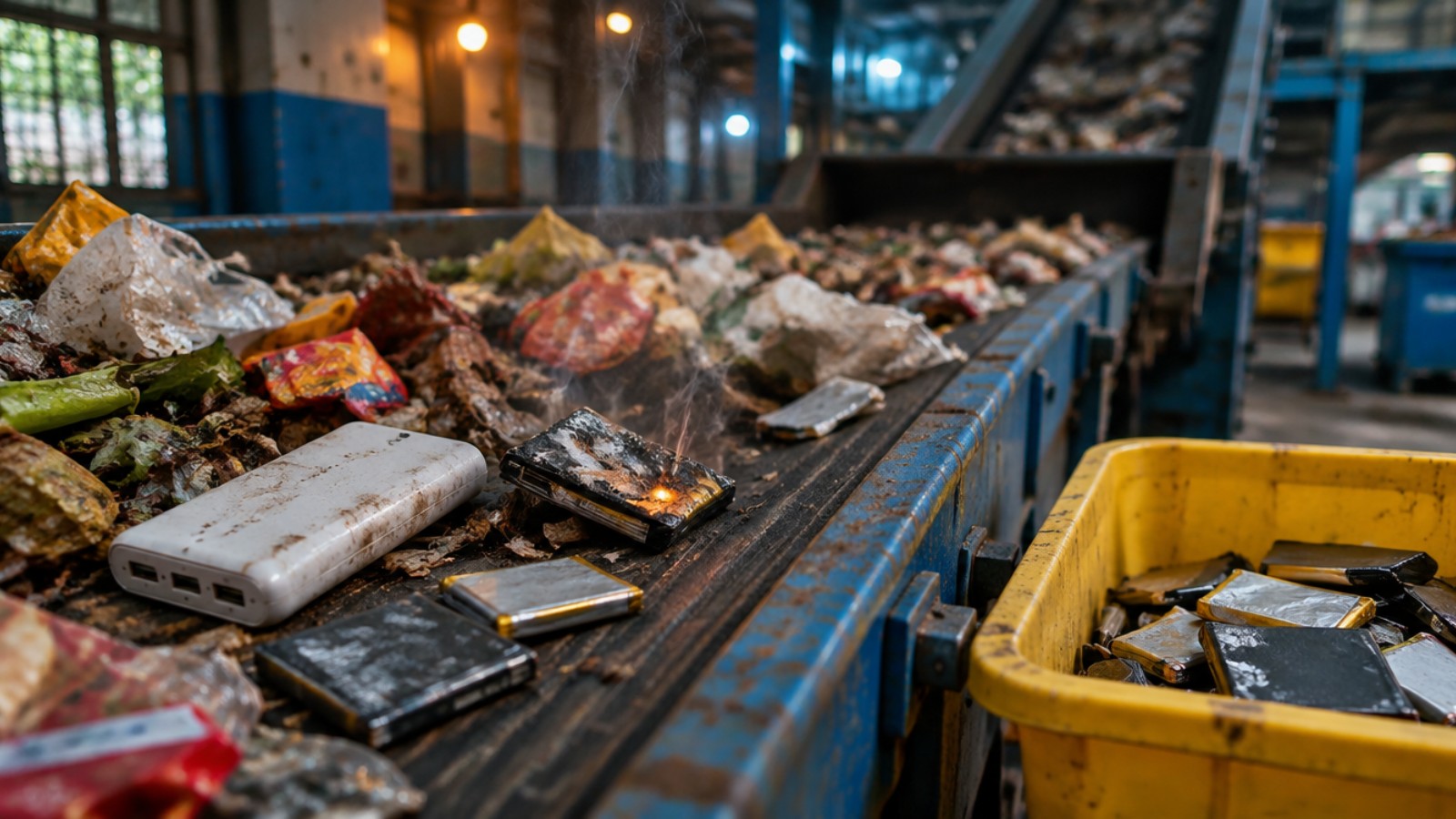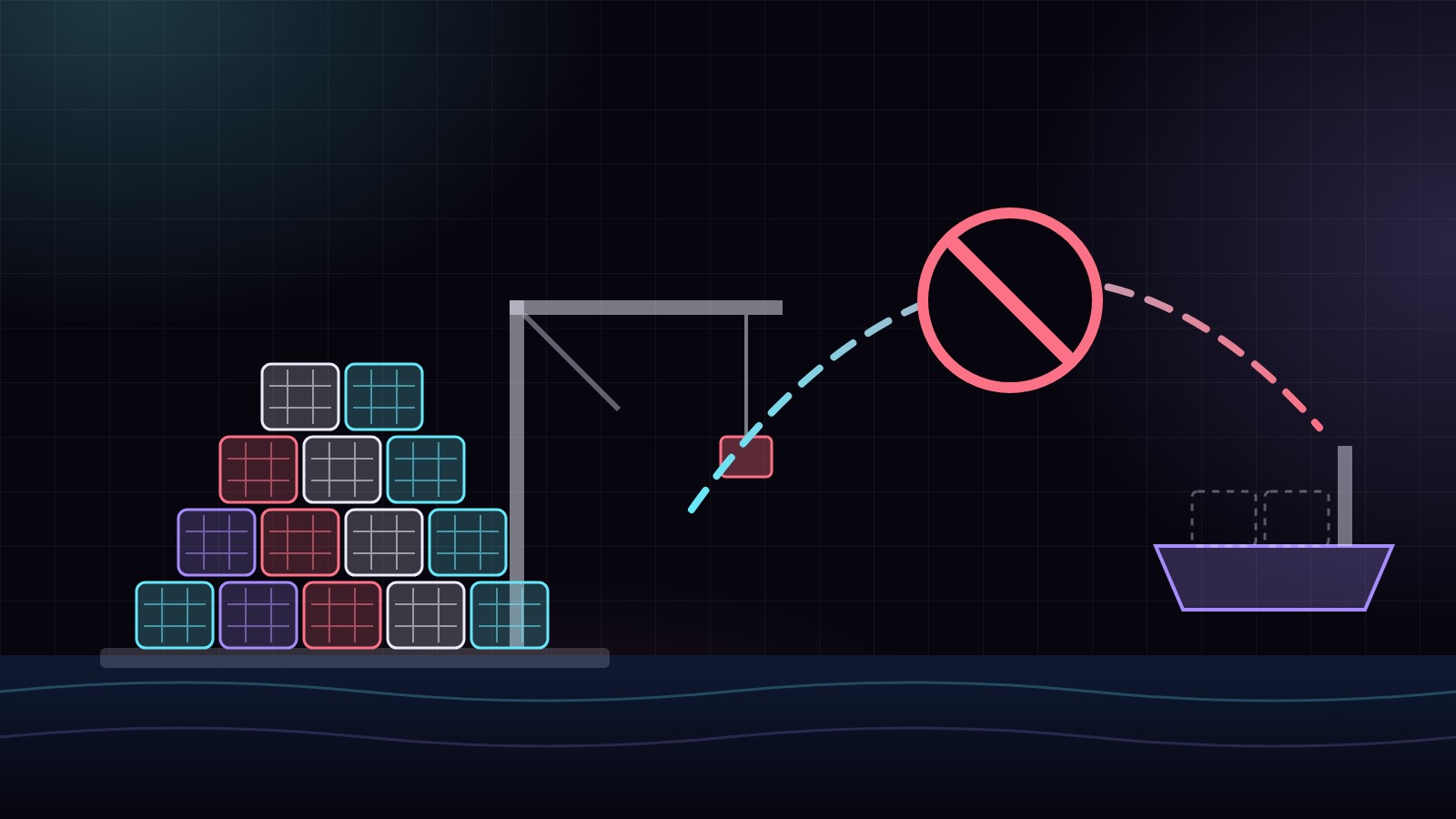
Plastic waste exports from the European Union to countries outside the OECD stopped on 21 November 2026. The ban runs until at least May 2029. For India, which closed its own door to solid plastic waste in 2019, the move is a useful mirror. It also asks a hard question: who should handle the plastic a society makes?
What happened: the EU ends plastic waste exports to non-OECD countries
The European Commission announced the step on 20 November 2026. From the next day, EU firms can no longer send plastic waste to countries outside the OECD. The rule comes from the EU Waste Shipment Regulation, which entered into force in May 2024.
The ban will last until at least 21 May 2029. After that date, a non-OECD country can apply to receive this waste again. To do so, it must show that it can manage the waste in a sound way.
The EU generates around 40 million tonnes of plastic waste a year. It exports between 1 and 1.5 million tonnes of it. In 2025, about half of these exports went to OECD members and half went elsewhere.
The top buyers in 2025 were Türkiye, Malaysia, Indonesia, Vietnam and the United Kingdom. Türkiye alone took about 510,000 tonnes. Malaysia took about 276,000 tonnes and Indonesia about 215,000 tonnes. Three of these five countries sit outside the OECD, so the ban hits them first.
Shipments to OECD countries can still continue. However, the Commission now watches them more closely. In September 2026 it published a review of exports to Türkiye.
The regulation goes further than plastic. As a general rule, the EU will stop sending any waste to non-OECD countries from 21 May 2027. A country can still ask to keep receiving certain non-hazardous waste. In that case, it must prove it can handle that waste well. The Commission plans to publish the first list of approved countries by the end of 2026.
Why it matters for the circular economy
For decades, rich economies treated export as a quiet way to deal with waste. Much of it ended up in places with weak systems for sorting and recycling. Some of it burned in open fires or sat in dumps near rivers and coasts.
The EU itself now says this model is not sustainable. Its own news release calls export to non-OECD countries likely to cause serious harm there. That is a clear shift in tone from a major economy.
The ban also changes the maths at home. If European firms cannot ship low-grade plastic abroad, they must sort it, recycle it or avoid making it. That should raise demand for better design, cleaner collection and recycled material. In fact, the Commission linked the ban to its December 2025 plan to grow the market for recycled plastics.
In short, this is the core idea of a circular economy. Keep materials in use, and do not push waste onto someone else.
Still, a ban on plastic waste exports is not the same as less plastic. The real test is what happens to those tonnes now that they must stay in Europe.
What it means for India
India took a similar step much earlier. In March 2019, the environment ministry amended the Hazardous and Other Wastes Rules. The change stopped imports of solid plastic waste into India, including into SEZs and export units. The aim was to boost the collection and recycling of plastic waste within the country.
India did ease the rule for one material. In November 2021, the rules changed to let authorised PET recyclers import some PET waste. The government said recyclers faced a raw material shortage. Yet India collects more than 90% of its PET waste at home. Only recyclers with a valid licence can import, and only to fill a capacity gap.
So what does the EU ban mean for us? First, it confirms that India’s 2019 choice was in line with where the world is heading. Second, it reminds us that the harder work is at home. A ban on imports protects our land and water. But it does not sort a single bottle in our cities.
Third, the EU step points to the value of good data. The Commission could name each buyer and the tonnes it took. India’s Extended Producer Responsibility (EPR) rules for plastic packaging aim for the same kind of tracking. Under a 2022 amendment, producers, importers and brand owners must recycle a minimum share of the plastic they collect.
Fourth, there is a lesson for Indian exporters and recyclers. As Europe keeps more plastic at home, demand for good-quality recycled material there may rise. Firms that can prove clean sourcing and honest records may find new openings. Yet this is a possibility, not a promise, and each firm should study the rules for its own market.
Finally, every time we refuse a needless wrapper, we reduce what someone must collect later. That is why I care about habits, and why I built the free SQ Test.
Limits and open questions
Some questions remain open. Waste might take illegal routes if checks are weak. Nearby OECD members, such as Türkiye, may receive more plastic. The Commission says it will watch these flows, and we should watch the results too. It is also unclear how fast Europe can build enough recycling capacity to handle what it once shipped.
Key takeaways on plastic waste exports
- From 21 November 2026, the EU bans plastic waste exports to non-OECD countries until at least May 2029.
- The EU exports 1 to 1.5 million tonnes of plastic waste a year, so this is a real shift.
- India stopped solid plastic waste imports in 2019, with a limited PET exception from 2021.
- Bans move the problem closer to the source. Good design, collection and EPR records must do the rest.
- For more stories like this, browse my blog or my research page.
What do you think: should every country handle its own plastic waste inside its borders?
Sources:
- European Commission (DG ENV), "EU bans plastic waste exports to non-OECD countries from November 21", 20 Nov 2026
- EU Waste Shipment Regulation (EU) 2024/1157, EUR-Lex
- European Commission press release IP/25/3151 (Dec 2025), recycled plastics market
- PIB / MoEFCC, Amendment in Hazardous Waste Rules, 6 Mar 2019
- PIB / MoEFCC, Import of PET (Lok Sabha reply), 18 Jul 2022