Tag: Extended Producer Responsibility

  • Packaging EPR Fees: What the UK’s New Plan Signals

    Packaging EPR Fees: What the UK’s New Plan Signals

    Packaging EPR fees in the UK may soon rise faster for packs that are hard to recycle. PackUK, the body that runs the UK scheme, has put out a draft plan. In short, the worst-rated packaging would pay about double the base fee from 2027-28.

    What happened

    On 20 November 2026, Circular Online reported a draft policy from PackUK. It changes how quickly packaging EPR fees climb for the least recyclable packs. EPR stands for Extended Producer Responsibility. Under EPR, the companies that put packaging on the market pay for what happens to it as waste.

    The UK rates each pack red, amber or green. It uses a tool called the Recyclability Assessment Methodology, or RAM. Green packs are the easiest to recycle, and red packs are the hardest. Amber packs pay the base fee for their material.

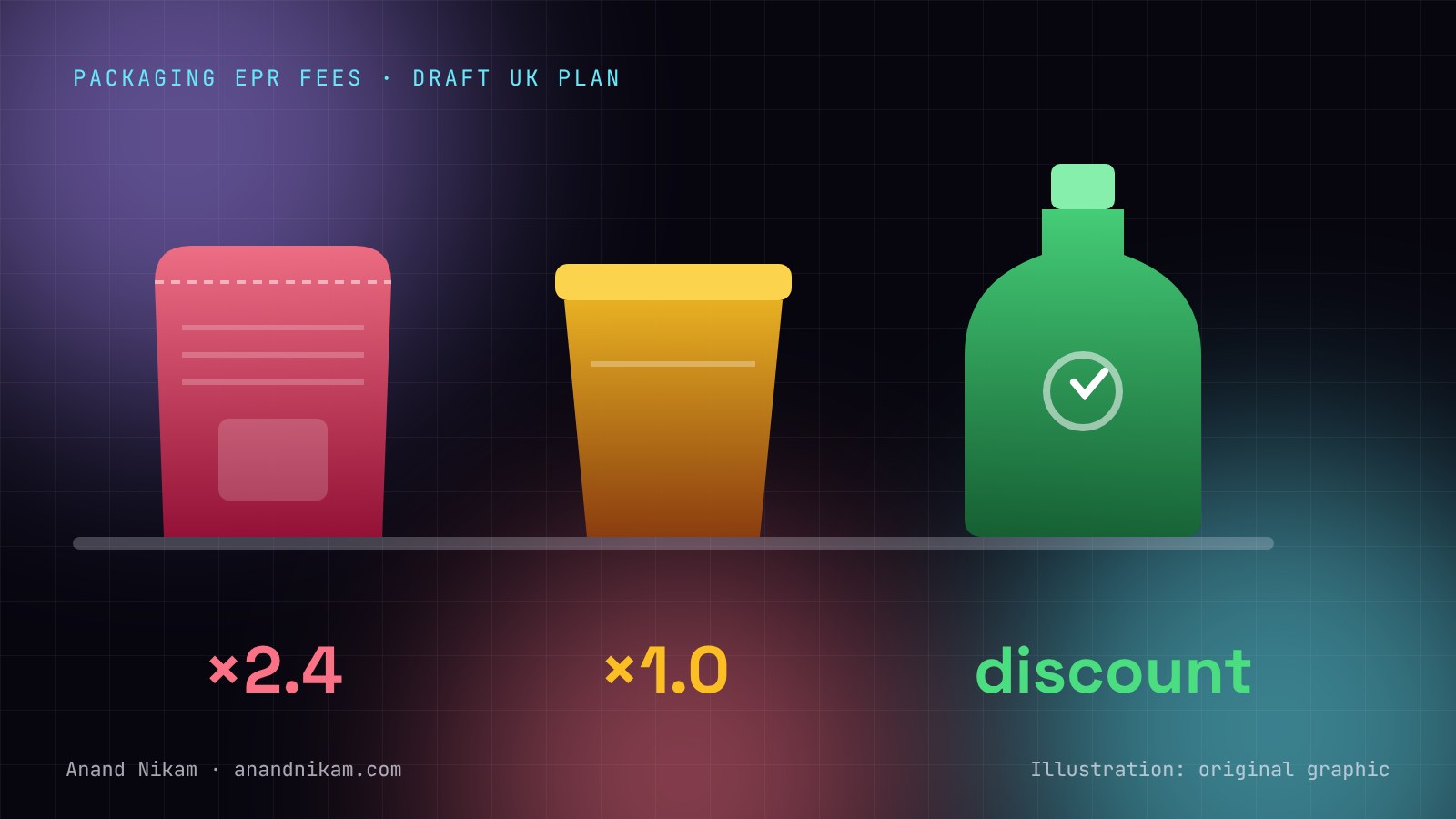
    Here is the core change. For red-rated household packaging, the fee is a multiple of the amber base fee:

    • 2026-27: 1.2 times the base fee, the same as before.
    • 2027-28: 2.0 times under the draft, up from 1.6 in the current timetable.
    • 2028-29: 2.4 times under the draft, up from 2.0.

    Importantly, the plan does not raise the total amount collected. Instead, the extra money from red packs funds bigger discounts for green packs. So a brand that switches to a better pack pays less. Meanwhile, a brand that keeps a poor pack pays more.

    The draft also treats some medical packaging differently from 2028-29. For example, packaging that touches medicines or medical devices would pay the amber base fee, even with a red rating. In addition, PackUK plans a call for evidence in early 2027 on the future of fee changes. These are still proposals, and nothing is final yet.

    Not everyone agrees. The Alliance for Fibre-Based Packaging criticised the faster timetable. Its co-chairs said ministers should work with industry on “a stable, evidence-based approach”, as Circular Online reported. They also warned that frequent changes make business planning harder.

    Why packaging EPR fees matter

    At first glance, this looks like a dry fee table. However, it shows how a circular economy policy can steer design choices with money. Packaging EPR fees work best when they reward good design and penalise poor design. A flat fee does neither.

    There are three lessons here. First, the signal must be large enough to matter. A small gap between red and green fees rarely changes a packaging decision. A fee that doubles gets the attention of finance teams, not only sustainability teams.

    Second, the signal must be fair. Because the plan keeps the total collected the same, it is a shift, not a new tax. As a result, producers who invest in better packs gain directly.

    Third, the signal must be predictable. This is where the critics have a point. Businesses plan packaging changes years ahead. When fee timetables move, some firms may wait rather than act. Good EPR design balances ambition with stability.

    What packaging EPR fees could mean for India

    India already has EPR for plastic packaging. The guidelines came into force in February 2022 under the Plastic Waste Management Rules, 2016. That is according to a 2022 government reply in the Lok Sabha shared by PIB. They group plastic packaging into four categories:

    • Rigid plastic packaging sits in Category I.
    • Flexible packaging, including carry bags, sachets and pouches, is Category II.
    • Multilayered packaging with at least one non-plastic layer forms Category III.
    • Compostable plastic sheets and carry bags make up Category IV.

    The same release lists rising recycling targets. For rigid packaging, the share rises from 50% in 2024-25 to 80% from 2027-28 onwards. For flexible and multilayered packaging, it rises from 30% to 60% over the same years. Producers who miss their targets pay environmental compensation, based on the polluter pays principle.

    So India’s system sets targets and penalties. What it can learn from the UK plan is the idea of linking cost to recyclability. Multilayered sachets are among the hardest packs to recycle in India. A design-based fee signal could push brands towards simpler, single-material packs.

    Of course, India’s context is different. Our recycling depends heavily on informal waste pickers and small recyclers. Any fee change must protect their income and fit how waste actually moves here. Also, India would need reliable data on which packs recyclers truly process, not just collect. Without that data, ratings can become a paper exercise.

    For brands, the practical step is simple. Start mapping your packs by how easy they are to recycle today. Then ask which packs would cost you more if fees ever followed design. For NGOs and recyclers, this is a chance to share field evidence on what really gets recycled.

    Key takeaways

    • PackUK’s draft would make the worst-rated packs pay 2 times the base fee in 2027-28 and 2.4 times in 2028-29.
    • The total collected stays the same, so green packs get bigger discounts.
    • Critics warn that changing timetables can hurt business planning.
    • India’s plastic EPR already sets recycling targets, and design-linked packaging EPR fees could be a useful next idea to study.
    • Good EPR needs a strong, fair and stable signal, backed by honest data.

    If you want to check where your own habits stand on waste, try my free SQ Test. You can also read more posts on the blog.

    Sources:
  • Plastic Waste Exports: What the EU Ban Means for India

    Plastic Waste Exports: What the EU Ban Means for India

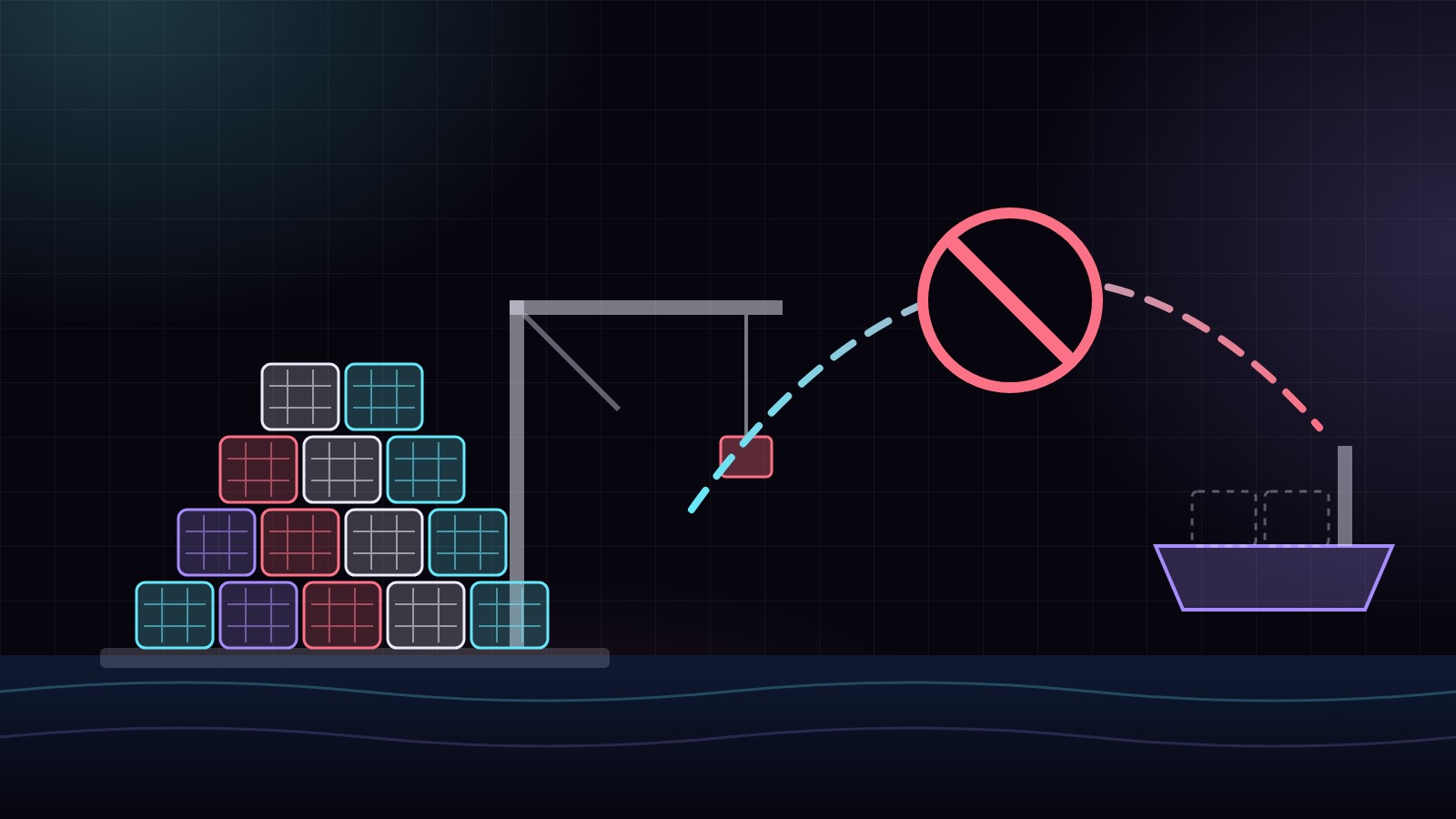
    Plastic waste exports from the European Union to countries outside the OECD stopped on 21 November 2026. The ban runs until at least May 2029. For India, which closed its own door to solid plastic waste in 2019, the move is a useful mirror. It also asks a hard question: who should handle the plastic a society makes?

    What happened: the EU ends plastic waste exports to non-OECD countries

    The European Commission announced the step on 20 November 2026. From the next day, EU firms can no longer send plastic waste to countries outside the OECD. The rule comes from the EU Waste Shipment Regulation, which entered into force in May 2024.

    The ban will last until at least 21 May 2029. After that date, a non-OECD country can apply to receive this waste again. To do so, it must show that it can manage the waste in a sound way.

    The EU generates around 40 million tonnes of plastic waste a year. It exports between 1 and 1.5 million tonnes of it. In 2025, about half of these exports went to OECD members and half went elsewhere.

    The top buyers in 2025 were Türkiye, Malaysia, Indonesia, Vietnam and the United Kingdom. Türkiye alone took about 510,000 tonnes. Malaysia took about 276,000 tonnes and Indonesia about 215,000 tonnes. Three of these five countries sit outside the OECD, so the ban hits them first.

    Shipments to OECD countries can still continue. However, the Commission now watches them more closely. In September 2026 it published a review of exports to Türkiye.

    The regulation goes further than plastic. As a general rule, the EU will stop sending any waste to non-OECD countries from 21 May 2027. A country can still ask to keep receiving certain non-hazardous waste. In that case, it must prove it can handle that waste well. The Commission plans to publish the first list of approved countries by the end of 2026.

    Why it matters for the circular economy

    For decades, rich economies treated export as a quiet way to deal with waste. Much of it ended up in places with weak systems for sorting and recycling. Some of it burned in open fires or sat in dumps near rivers and coasts.

    The EU itself now says this model is not sustainable. Its own news release calls export to non-OECD countries likely to cause serious harm there. That is a clear shift in tone from a major economy.

    The ban also changes the maths at home. If European firms cannot ship low-grade plastic abroad, they must sort it, recycle it or avoid making it. That should raise demand for better design, cleaner collection and recycled material. In fact, the Commission linked the ban to its December 2025 plan to grow the market for recycled plastics.

    In short, this is the core idea of a circular economy. Keep materials in use, and do not push waste onto someone else.

    Still, a ban on plastic waste exports is not the same as less plastic. The real test is what happens to those tonnes now that they must stay in Europe.

    What it means for India

    India took a similar step much earlier. In March 2019, the environment ministry amended the Hazardous and Other Wastes Rules. The change stopped imports of solid plastic waste into India, including into SEZs and export units. The aim was to boost the collection and recycling of plastic waste within the country.

    India did ease the rule for one material. In November 2021, the rules changed to let authorised PET recyclers import some PET waste. The government said recyclers faced a raw material shortage. Yet India collects more than 90% of its PET waste at home. Only recyclers with a valid licence can import, and only to fill a capacity gap.

    So what does the EU ban mean for us? First, it confirms that India’s 2019 choice was in line with where the world is heading. Second, it reminds us that the harder work is at home. A ban on imports protects our land and water. But it does not sort a single bottle in our cities.

    Third, the EU step points to the value of good data. The Commission could name each buyer and the tonnes it took. India’s Extended Producer Responsibility (EPR) rules for plastic packaging aim for the same kind of tracking. Under a 2022 amendment, producers, importers and brand owners must recycle a minimum share of the plastic they collect.

    Fourth, there is a lesson for Indian exporters and recyclers. As Europe keeps more plastic at home, demand for good-quality recycled material there may rise. Firms that can prove clean sourcing and honest records may find new openings. Yet this is a possibility, not a promise, and each firm should study the rules for its own market.

    Finally, every time we refuse a needless wrapper, we reduce what someone must collect later. That is why I care about habits, and why I built the free SQ Test.

    Limits and open questions

    Some questions remain open. Waste might take illegal routes if checks are weak. Nearby OECD members, such as Türkiye, may receive more plastic. The Commission says it will watch these flows, and we should watch the results too. It is also unclear how fast Europe can build enough recycling capacity to handle what it once shipped.

    Key takeaways on plastic waste exports

    • From 21 November 2026, the EU bans plastic waste exports to non-OECD countries until at least May 2029.
    • The EU exports 1 to 1.5 million tonnes of plastic waste a year, so this is a real shift.
    • India stopped solid plastic waste imports in 2019, with a limited PET exception from 2021.
    • Bans move the problem closer to the source. Good design, collection and EPR records must do the rest.
    • For more stories like this, browse my blog or my research page.

    What do you think: should every country handle its own plastic waste inside its borders?

    Sources:

  • Reuse Economy: What COP31’s New Toolkit Means

    Reuse Economy: What COP31’s New Toolkit Means

    The reuse economy got a clearer rulebook at COP31 this week. On 16 November 2026, two global civil society networks launched a toolkit that defines what reuse really means. For India, where reuse is an old habit but rarely a system, this matters more than it first seems.

    What happened in the reuse economy at COP31

    Break Free From Plastic (BFFP) and GAIA released “Everything Reuse: A Toolkit for Understanding, Implementing and Scaling Reuse”. They launched it at a COP31 session called “Scaling Up the Reuse Economy” in Antalya, Türkiye. The BFFP press release calls it a multi-part toolkit. Its first part covers terminology, a taxonomy and guiding principles.

    The authors work across Asia and beyond. They include Pinky Chandran of BFFP Asia Pacific, along with Ambily Adithyan and Froilan Grate of GAIA. The Inquirer reported on 18 November that the groups want waste cut at its source. In their view, better collection and recycling alone cannot fix the problem.

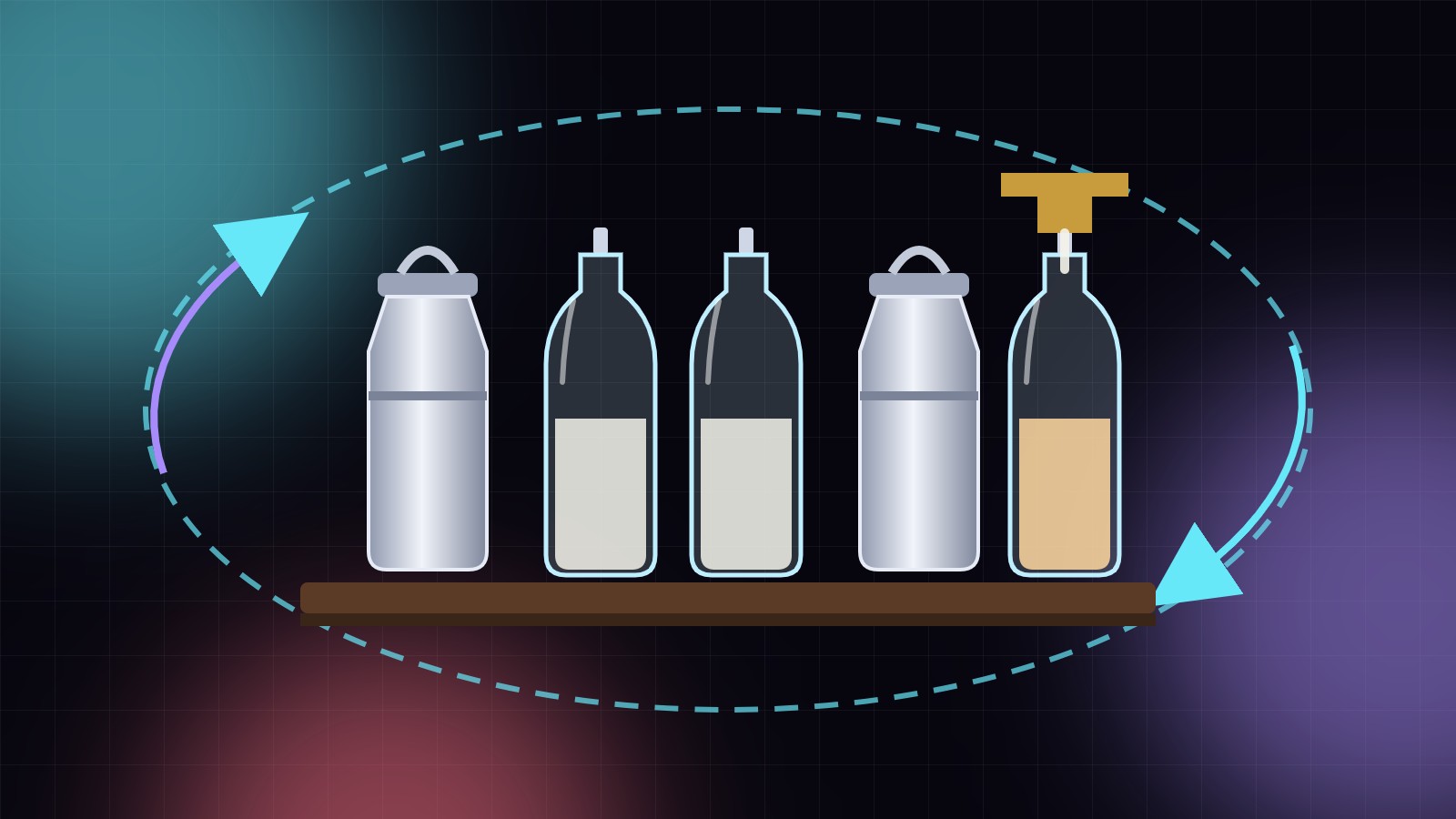
    So what does the toolkit actually say? First, it gives a simple definition. Reuse means using a product or package again for the same purpose it was made for. Repair or reconditioning in between still counts. However, using a jar as a pen stand does not, because the jar no longer does its original job.

    Next, it sorts reuse along two lines. One line asks what is being reused: a product or its packaging. The other asks how the next use happens. The toolkit names three pathways:

    • System-retained reuse, where the item stays within an organised return system.
    • User-retained reuse, where the user keeps the item and reuses it.
    • Ownership transfer, where a product moves to a new owner for the same use.

    Together, these pathways create five categories of reuse. Finally, the toolkit sets out five guiding principles:

    • Safe and non-toxic reuse systems
    • Producer responsibility and accountability
    • Justice and inclusion
    • Local contexts and realities
    • System and material efficiency

    Why a shared reuse economy language matters

    Words decide what gets counted. Today, a brand can call a bag “reusable” even if most people use it once. Meanwhile, a returnable bottle that makes dozens of trips gets the same label. Without clear terms, policymakers cannot set targets, and buyers cannot compare claims.

    That is the gap this toolkit tries to fill. As Chandran put it in the release, a common language “shapes what we recognise, value and support.” In other words, if a city cannot name a practice, it will not fund it.

    There is also a deeper point. Recycling deals with waste after we make it. Reuse, on the other hand, avoids making that waste at all. Both matter, but reuse sits higher up the waste hierarchy. A shared language helps move money and attention up that ladder.

    What the reuse economy means for India

    India does not need to import the idea of reuse. In fact, the toolkit itself uses Indian examples. It describes a milk supplier who delivers unpackaged milk to homes. It also describes a returnable beer bottle system where waste pickers collect the bottles. Along the way, it credits Indian groups such as SWaCH and KKPKP, Hasiru Dala and the Alliance of Indian Wastepickers.

    Our policy base is also in place. According to the Press Information Bureau, India banned identified single-use plastic items from 1 July 2022. Thin carry bags under 120 microns were banned from 31 December 2022. In addition, India’s EPR guidelines for plastic packaging include reuse obligations for rigid plastic packaging.

    Still, habit is not the same as a system. The steel tiffin, the glass milk bottle and the kirana refill all exist. Yet they often survive on goodwill, not on design. A clear taxonomy can help cities, companies and CSR teams see these practices as infrastructure worth funding.

    Here is where I see real openings:

    • Cities can map existing reuse systems before they plan new ones.
    • Brands can test deposit-return pilots for rigid packaging under EPR.
    • CSR programmes can back refill and repair hubs in schools and housing societies.
    • Waste picker groups can lead collection and washing, with fair pay.

    Limits and open questions

    The toolkit is a framework, not a law. It does not set targets or deadlines. Also, I could not find any cost figures in it, so the business case still needs local numbers.

    Safety is another question. Reuse needs clean washing, safe materials and good tracking. These cost money, especially in food and healthcare. Finally, a just transition matters. Chandran stresses that reuse must protect the workers and communities who already run informal loops. If big systems push them out, we lose both jobs and know-how.

    What you can do this month

    You do not need a policy role to start. First, notice one item at home that you throw away every week. Then ask whether a refill or return option exists nearby. If you run an organisation, list the packaging you buy and pick one item to switch to a returnable format.

    You can also check your own habits. My free SQ Test includes a section on consumption and waste. It takes about eight minutes. For more posts like this, visit my blog.

    Key takeaways

    • The reuse economy now has a shared vocabulary, launched at COP31 on 16 November 2026.
    • Reuse means the same purpose again, with repair allowed in between.
    • Three pathways and five principles give cities and companies a common map.
    • India already runs many reuse loops, and they deserve design and funding.
    • Waste pickers and local groups must stay at the centre of the shift.

    Sources:

  • Battery Fires in Waste: The UK’s £2.37bn Warning

    Battery Fires in Waste: The UK’s £2.37bn Warning

    Battery fires in waste are now a measurable cost, not a rare accident. New research from the UK puts a price on the problem: about £2.37 billion a year. For India, where small rechargeable gadgets are everywhere, the lesson is simple and urgent.

    What happened: the UK counts the cost of battery fires in waste

    On 18 November 2026, Circular Online reported new estimates from Material Focus. Material Focus is a non-profit that runs the Recycle Your Electricals campaign in the UK.

    The research estimates 2,839 battery fires in the UK waste system in 2025. That is 135% more than in 2023/24. Bin lorries accounted for 26% of these incidents, up from 19% in the earlier period.

    To get there, the team surveyed 97 local authorities, about a quarter of UK councils. Then they scaled the answers using regional population figures. Of the councils that responded, 91% said battery fires are a growing challenge.

    Moreover, the £2.37 billion figure covers more than burnt trucks. It includes damage to facilities, disrupted services, diverted waste and emergency response. According to the report, a single replacement bin lorry can cost nearly £540,000.

    Why battery fires in waste keep rising

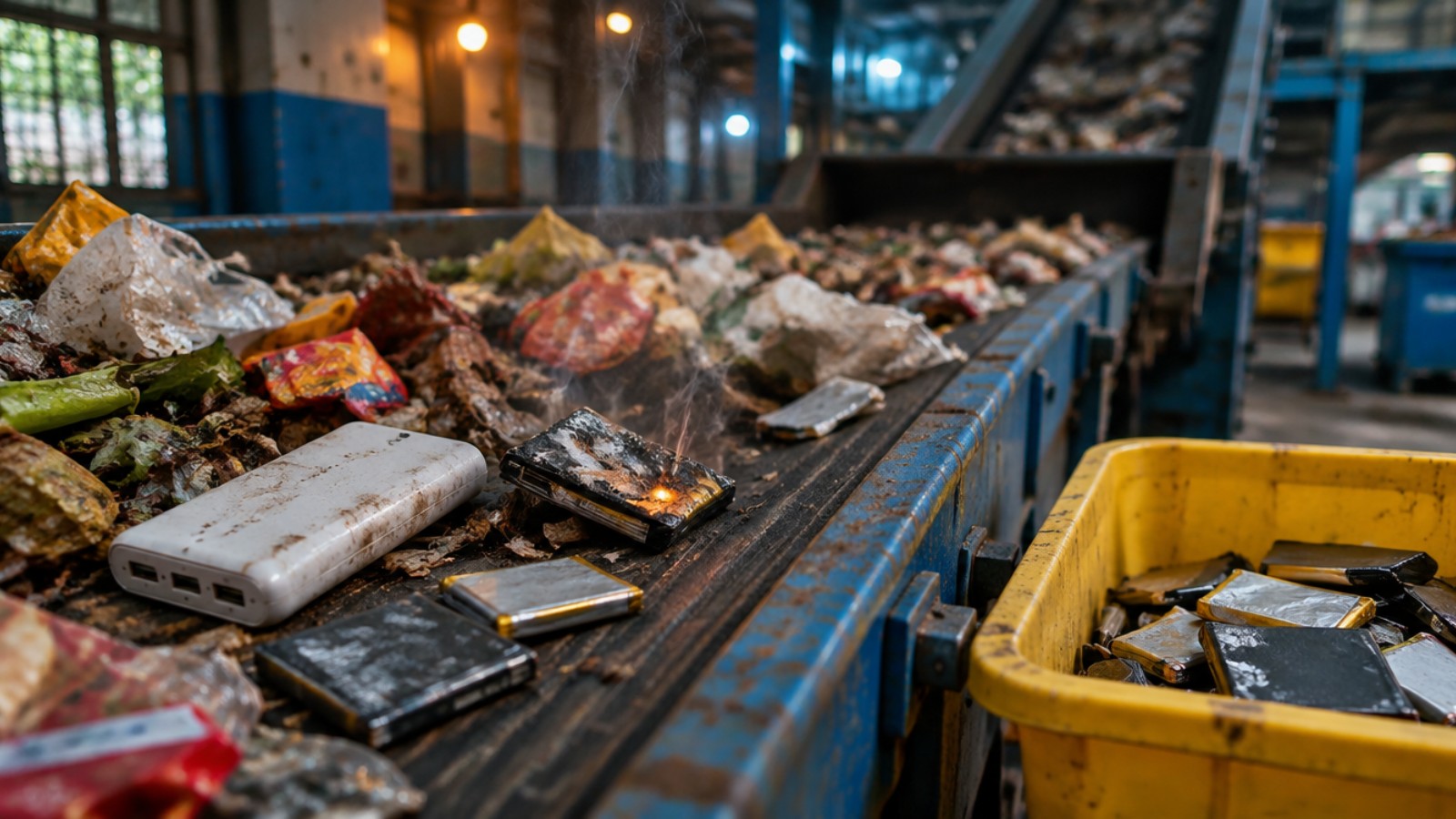
    In fact, the cause is not a mystery. Lithium-ion batteries can catch fire when something crushes, pierces or damages them. That is exactly what happens inside a compactor truck or a shredder.

    Today, these batteries sit inside many small products. Think of electric toothbrushes, power banks and wireless earphones. Yet most of us do not notice that these items carry a battery.

    Once a fire starts, it spreads through the dry waste around it. It can also restart even after it looks finished. As a result, collection crews, plant workers and firefighters face real danger. One fire safety lead quoted in the report called many of these incidents “easily preventable”.

    In short, the problem sits at one point: the moment a person drops a battery into the wrong bin.

    Why this matters for the circular economy

    A circular economy depends on clean material streams. After all, recyclers need sorted inputs to recover value. However, a single hidden battery can damage a sorting line and stop it for days.

    So battery fires in waste hurt circularity in two ways. First, they destroy equipment that recovers materials. Second, they waste the battery itself, which holds lithium, cobalt, nickel and copper that recyclers could recover.

    In addition, fires push up insurance costs for waste operators. In turn, higher costs make recycling less viable, especially for small players.

    What it means for India

    India already has a legal framework for this. The Ministry of Environment, Forest and Climate Change published the Battery Waste Management Rules, 2022 on 24 August 2022.

    Here is what those rules set out, as per the government’s release:

    • The rules cover all battery types: electric vehicle, portable, automotive and industrial.
    • They work on Extended Producer Responsibility (EPR). So producers, including importers, must collect and recycle waste batteries.
    • Landfill and incineration of waste batteries is not allowed.
    • An online portal lets producers and recyclers trade EPR certificates.
    • Recyclers must recover a minimum share of materials, and new batteries must use some recycled content.

    Still, rules on paper need habits on the ground. The UK data shows that even a mature system struggles when households mix batteries with general waste. Therefore, India can learn from this before the volume of small devices grows further.

    Here, I see three practical gaps worth closing:

    • Awareness at home. Most families do not know a power bank needs separate disposal. Simple labels and messages at the point of sale can help.
    • Easy drop-off points. People use collection points when they are close and visible. Housing societies, schools and offices can host them.
    • Safety for waste workers. Informal workers often handle mixed waste by hand. They need training on how to spot and isolate damaged batteries.

    Meanwhile, municipal bodies can add battery questions to their waste segregation drives. Also, CSR teams could support collection and awareness work. Of course, it must fit the activities Schedule VII allows.

    What you can do this week

    Luckily, you do not need a policy role to help. Start with your own home and workplace.

    • Collect used batteries and small electronics in one box, away from heat.
    • Tape the terminals of loose lithium batteries before storing them.
    • Never put a swollen or damaged battery in the household bin.
    • Ask your housing society or office to set up a clearly marked drop-off box.
    • Hand old devices to an authorised e-waste or battery collector, not the general waste stream.

    Want to check how far your own habits support a circular economy? Then try my free SQ Test. It is a self-assessment, not a rating, but it shows where to start.

    Key takeaways

    • Battery fires in waste cost the UK an estimated £2.37 billion a year, according to Material Focus.
    • Estimated incidents rose 135% to 2,839 in 2025, with bin lorries involved in about a quarter.
    • The root cause is simple: lithium-ion batteries thrown into general waste.
    • India has the Battery Waste Management Rules, 2022, built on EPR and a ban on landfilling.
    • Rules work best with daily habits: separate storage, easy drop-off points and trained waste workers.

    In the end, the fix is cheap compared with the cost of one fire. A separate box at home might be the most useful circular economy tool you own. For more stories like this, visit the blog.

    Sources: