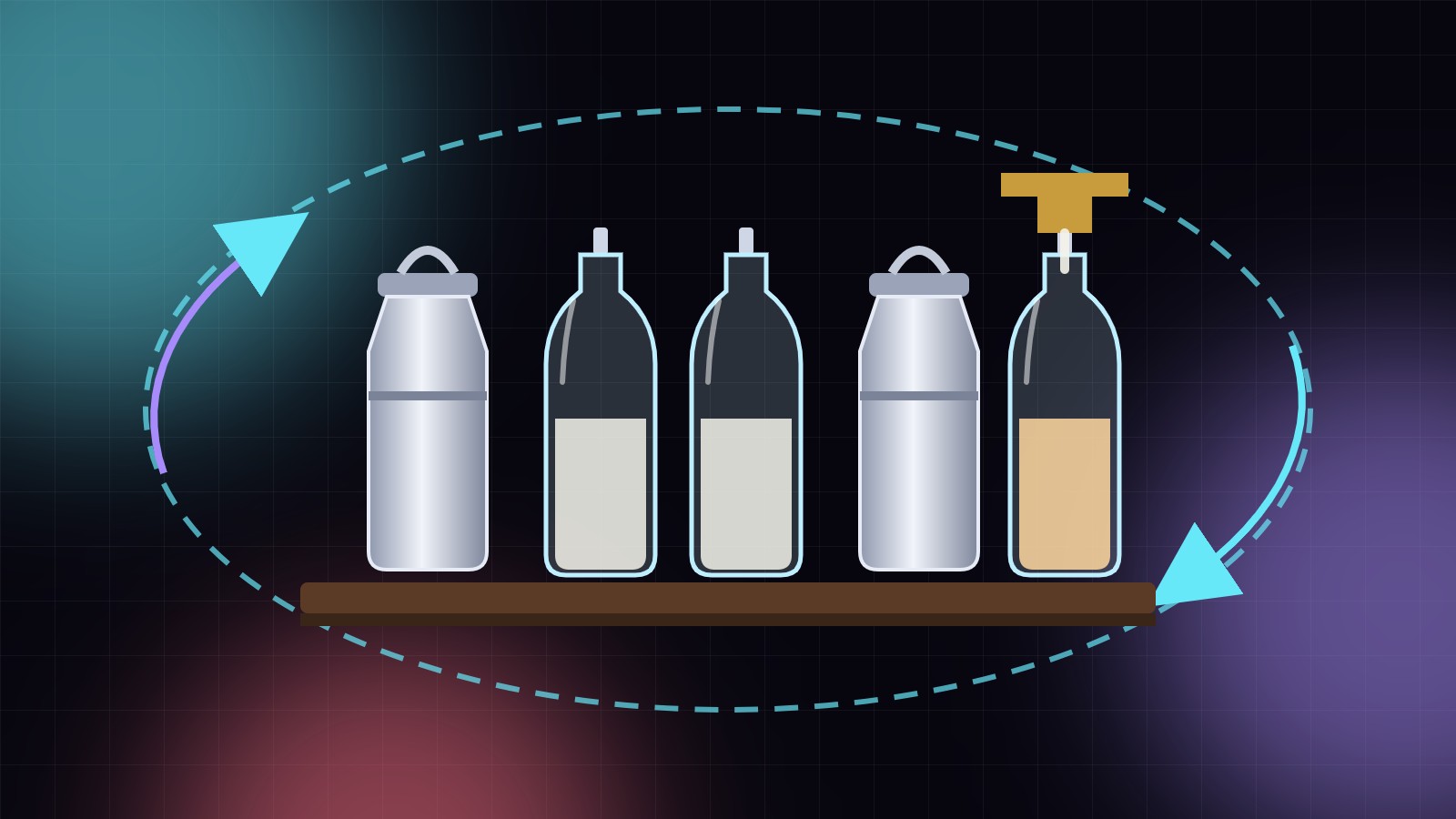
The reuse economy got a clearer rulebook at COP31 this week. On 16 November 2026, two global civil society networks launched a toolkit that defines what reuse really means. For India, where reuse is an old habit but rarely a system, this matters more than it first seems.
What happened in the reuse economy at COP31
Break Free From Plastic (BFFP) and GAIA released “Everything Reuse: A Toolkit for Understanding, Implementing and Scaling Reuse”. They launched it at a COP31 session called “Scaling Up the Reuse Economy” in Antalya, Türkiye. The BFFP press release calls it a multi-part toolkit. Its first part covers terminology, a taxonomy and guiding principles.
The authors work across Asia and beyond. They include Pinky Chandran of BFFP Asia Pacific, along with Ambily Adithyan and Froilan Grate of GAIA. The Inquirer reported on 18 November that the groups want waste cut at its source. In their view, better collection and recycling alone cannot fix the problem.
So what does the toolkit actually say? First, it gives a simple definition. Reuse means using a product or package again for the same purpose it was made for. Repair or reconditioning in between still counts. However, using a jar as a pen stand does not, because the jar no longer does its original job.
Next, it sorts reuse along two lines. One line asks what is being reused: a product or its packaging. The other asks how the next use happens. The toolkit names three pathways:
- System-retained reuse, where the item stays within an organised return system.
- User-retained reuse, where the user keeps the item and reuses it.
- Ownership transfer, where a product moves to a new owner for the same use.
Together, these pathways create five categories of reuse. Finally, the toolkit sets out five guiding principles:
- Safe and non-toxic reuse systems
- Producer responsibility and accountability
- Justice and inclusion
- Local contexts and realities
- System and material efficiency
Why a shared reuse economy language matters
Words decide what gets counted. Today, a brand can call a bag “reusable” even if most people use it once. Meanwhile, a returnable bottle that makes dozens of trips gets the same label. Without clear terms, policymakers cannot set targets, and buyers cannot compare claims.
That is the gap this toolkit tries to fill. As Chandran put it in the release, a common language “shapes what we recognise, value and support.” In other words, if a city cannot name a practice, it will not fund it.
There is also a deeper point. Recycling deals with waste after we make it. Reuse, on the other hand, avoids making that waste at all. Both matter, but reuse sits higher up the waste hierarchy. A shared language helps move money and attention up that ladder.
What the reuse economy means for India
India does not need to import the idea of reuse. In fact, the toolkit itself uses Indian examples. It describes a milk supplier who delivers unpackaged milk to homes. It also describes a returnable beer bottle system where waste pickers collect the bottles. Along the way, it credits Indian groups such as SWaCH and KKPKP, Hasiru Dala and the Alliance of Indian Wastepickers.
Our policy base is also in place. According to the Press Information Bureau, India banned identified single-use plastic items from 1 July 2022. Thin carry bags under 120 microns were banned from 31 December 2022. In addition, India’s EPR guidelines for plastic packaging include reuse obligations for rigid plastic packaging.
Still, habit is not the same as a system. The steel tiffin, the glass milk bottle and the kirana refill all exist. Yet they often survive on goodwill, not on design. A clear taxonomy can help cities, companies and CSR teams see these practices as infrastructure worth funding.
Here is where I see real openings:
- Cities can map existing reuse systems before they plan new ones.
- Brands can test deposit-return pilots for rigid packaging under EPR.
- CSR programmes can back refill and repair hubs in schools and housing societies.
- Waste picker groups can lead collection and washing, with fair pay.
Limits and open questions
The toolkit is a framework, not a law. It does not set targets or deadlines. Also, I could not find any cost figures in it, so the business case still needs local numbers.
Safety is another question. Reuse needs clean washing, safe materials and good tracking. These cost money, especially in food and healthcare. Finally, a just transition matters. Chandran stresses that reuse must protect the workers and communities who already run informal loops. If big systems push them out, we lose both jobs and know-how.
What you can do this month
You do not need a policy role to start. First, notice one item at home that you throw away every week. Then ask whether a refill or return option exists nearby. If you run an organisation, list the packaging you buy and pick one item to switch to a returnable format.
You can also check your own habits. My free SQ Test includes a section on consumption and waste. It takes about eight minutes. For more posts like this, visit my blog.
Key takeaways
- The reuse economy now has a shared vocabulary, launched at COP31 on 16 November 2026.
- Reuse means the same purpose again, with repair allowed in between.
- Three pathways and five principles give cities and companies a common map.
- India already runs many reuse loops, and they deserve design and funding.
- Waste pickers and local groups must stay at the centre of the shift.
Sources:
- Break Free From Plastic, “Everything Reuse” toolkit launch, 16 Nov 2026
- Everything Reuse: A Toolkit for Understanding, Implementing and Scaling Reuse (PDF)
- Inquirer, “COP31: Groups push reuse to curb waste at its source”, 18 Nov 2026
- PIB, single-use plastic ban, 23 Mar 2023
- PIB, EPR guidelines on plastic packaging, 18 Feb 2022